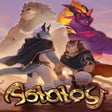
Astatos blends card battle tactics with narrative-driven choices
Astatos, developed by Studio Klondike, is a card-battling strategy game that casts players as Crown Mages in a fractured land, guiding decisions that shape events. The main gameplay loops combine Hero summoning, elemental card play, and tactical positioning across Trials and a branching solo campaign. Notable elements include hand-drawn 2D art, an original soundtrack, and multiplayer support for up to eight players. The title targets strategy card fans and visual-novel players seeking narrative weight alongside competitive matches.
What kind of game is Astatos and how does play feel?
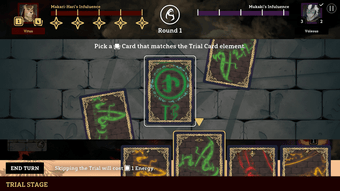
In this game, you act as a Crown Mage who summons Heroes and uses elemental cards to resolve conflict. Matches resolve through a turn-based card loop that emphasizes unit placement and ability timing. The core loop mixes drafting a hand, summoning units with unique tactical abilities, and exploiting elemental interactions to gain advantages. Solo campaign chapters add branching choices that affect narrative beats and subsequent encounters.
Does it have multiplayer and how chaotic are the Trials?
In this game, multiplayer supports competitive and cooperative structures, including Trials and Conquest modes for up to eight players. Large-group matches shift focus from one-on-one tactics to board awareness and unpredictable alliances. Online Trials create higher variability in table dynamics, encouraging adaptive plays rather than long-term, deterministic plans. The developer notes active additions while the title is in early access, which influences match variety over time.
What does the game look and sound like, and how clear is the interface?
In this game, presentation leans on hand-drawn 2D artwork and an original soundtrack that underscore character moments and combat. The visual style gives distinct silhouettes to Heroes and elemental cards, aiding quick recognition during matches. The UI arranges hand, board, and ability tooltips in separate panels; tooltips explain Hero skills and elemental interactions so players can assess options without switching screens.
Is it hard to get started and how does progression work?
In this game, early sessions introduce mechanics through campaign encounters rather than a single linear tutorial, so onboarding happens through play. Progression ties to unlocked Heroes and story chapters, with new abilities and cards appearing as the campaign unfolds. Difficulty depends on card synergies and opponent variety; players who prefer deliberate deck planning encounter meaningful strategic depth, while newcomers may need several matches to grasp elemental counters.
What keeps players returning and how does it compare to peers?
In this game, replayability comes from branching narrative paths, Hero variety, and large-scale multiplayer matches that change social dynamics. The eight-player support differentiates it from many card battlers that focus on one-on-one duels. Players who enjoy both story-driven encounters and competitive table play find reasons to return, while those seeking strictly solo, linear campaigns may prefer titles focused only on narrative progression.
Recommendation for players weighing story against competitive depth
Astatos is a strategic choice for players who enjoy tactical card combat tied to narrative decisions and distinctive hand-drawn presentation. The mix of branching single-player chapters and chaotic eight-player matches suits those who want both story investment and unpredictable multiplayer sessions. However, the campaign-led onboarding means new players should expect a learning period before mastering elemental interactions and Hero synergies.